Go to the job
We observe the real environment: the vehicle, tools, customer interaction, paperwork, mobile use and interruptions that shape a working day.
Each RADYS service category has been developed by accompanying businesses into the field, watching how they actually quote, schedule, perform and record work, then modifying the system until the workflow fits the job.
The goal is not to make every business use a complicated system. The goal is to make sophisticated capability available without making everyday work feel sophisticated.
We observe the real environment: the vehicle, tools, customer interaction, paperwork, mobile use and interruptions that shape a working day.
We look for duplicated entry, unnecessary taps, missing information, awkward terminology and decisions that force the operator out of the workflow.
Service definitions, data relationships, calculations and screens are augmented where the industry genuinely requires more operational detail.
Capability is kept behind the scenes wherever possible so the person on the job sees what they need, when they need it, without clutter.
A home-visit hairdresser does not need the material calculations required by an aviation maintenance team. RADYS does not force both users through the same level of complexity.
The same platform can present a fast service, appointment, price and invoice workflow to one operator while exposing duration factors, labour, stock, dispersion rules, material application and operational metrics to another.
Each category reflects practical observation of how companies in that field operate, not a generic label applied to the same workflow.
Field observation helped shape quick quoting, recurring rosters, property-based services, crews, travel, materials and the ability to react to work that changes while the day is already underway.
RADYS can keep client, property, service, staff, scheduling and communication information together so the person attending has the operational context needed to deliver the service properly.
Service definitions can carry duties, duration, labour, parts and quote/invoice wording so technicians and office staff work from the same operational record rather than disconnected notes.
Job requirements, supplier products, materials, timing and delivery status can be connected without turning the field interface into an accounting screen.
RADYS supports appointments, client assets, service definitions, staff allocation, time, communications and invoicing for technical service businesses whose most important resource is information rather than material consumption.
An aviation company prompted a major rewrite of the materials module. Materials can now be applied to jobs using measurable rules such as time, area, length, volume and quantity, with product dimensions, pack sizes, stock, demand and alternatives available to the operational record.
See materials intelligence →The interface is refined around a simple principle: field operators should have the information they need at their disposal, while unnecessary complexity stays out of their way.
Duties, expected duration, quote wording and invoice wording remain connected to the work.
Labour, materials, stock and supplier information can be available when the job requires them.
Office and field users can see where work is in the delivery cycle instead of reconstructing progress later.
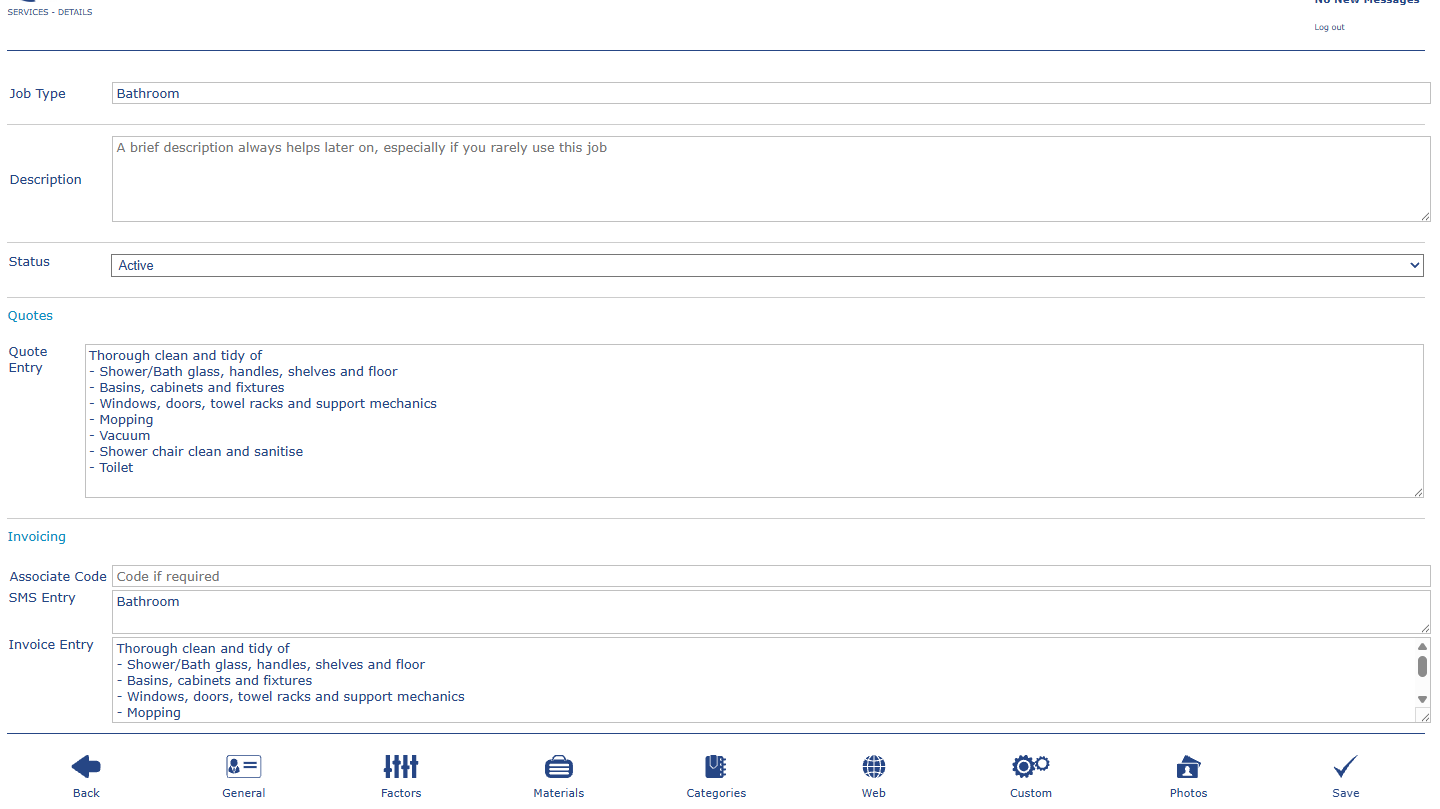
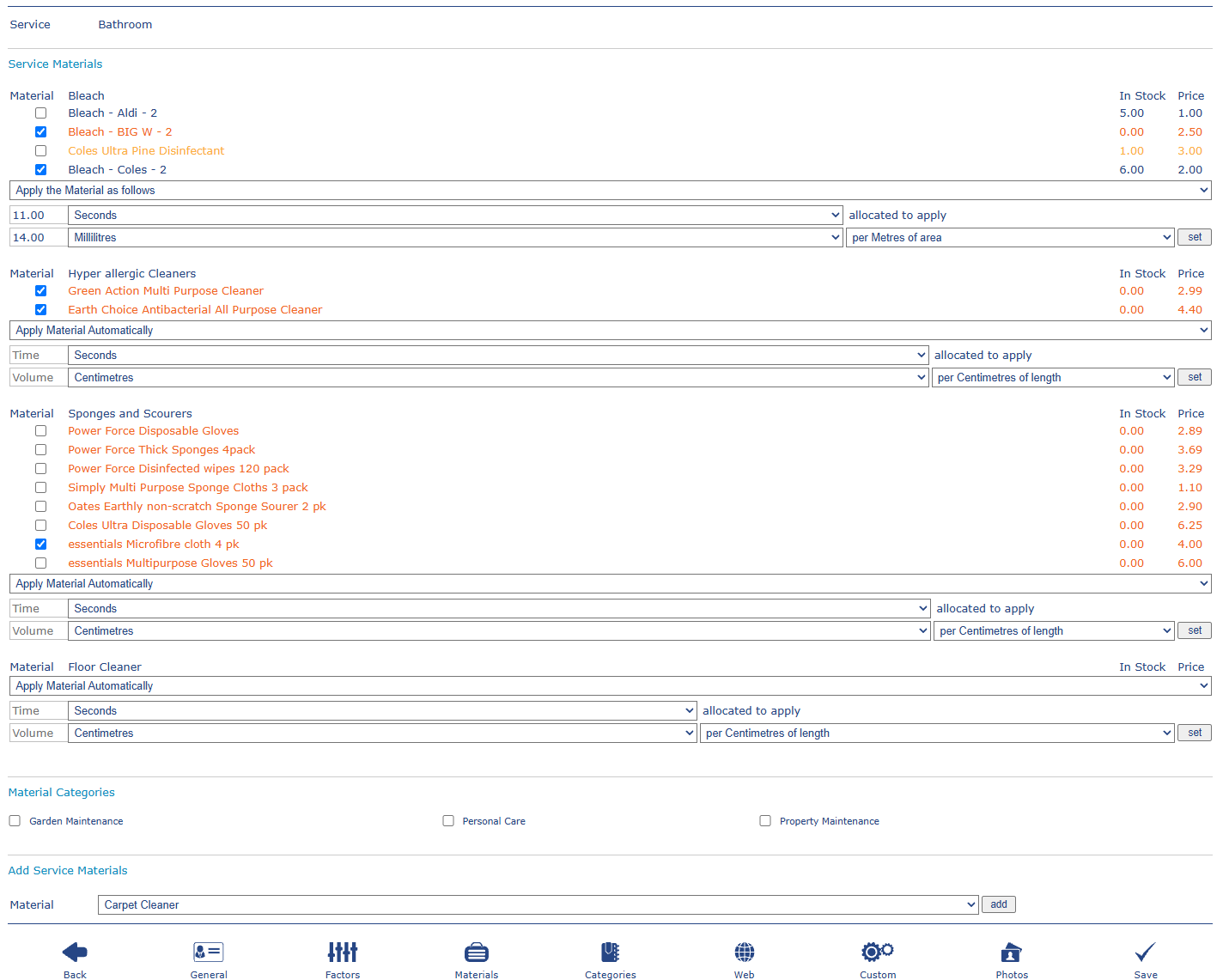
A new industry requirement is not automatically another button. It is first examined in the context of the complete job: who needs the information, when they need it, what should be calculated automatically and what can remain invisible.
That approach is how RADYS can support a straightforward appointment business and a technically demanding service operation without becoming cumbersome for either one.
Show us how you workEnter the basics, choose your specialty and prepare your RADYS subscription workspace.
Set up the basics, choose your specialty and prepare a RADYS workspace around the way your field service business works.